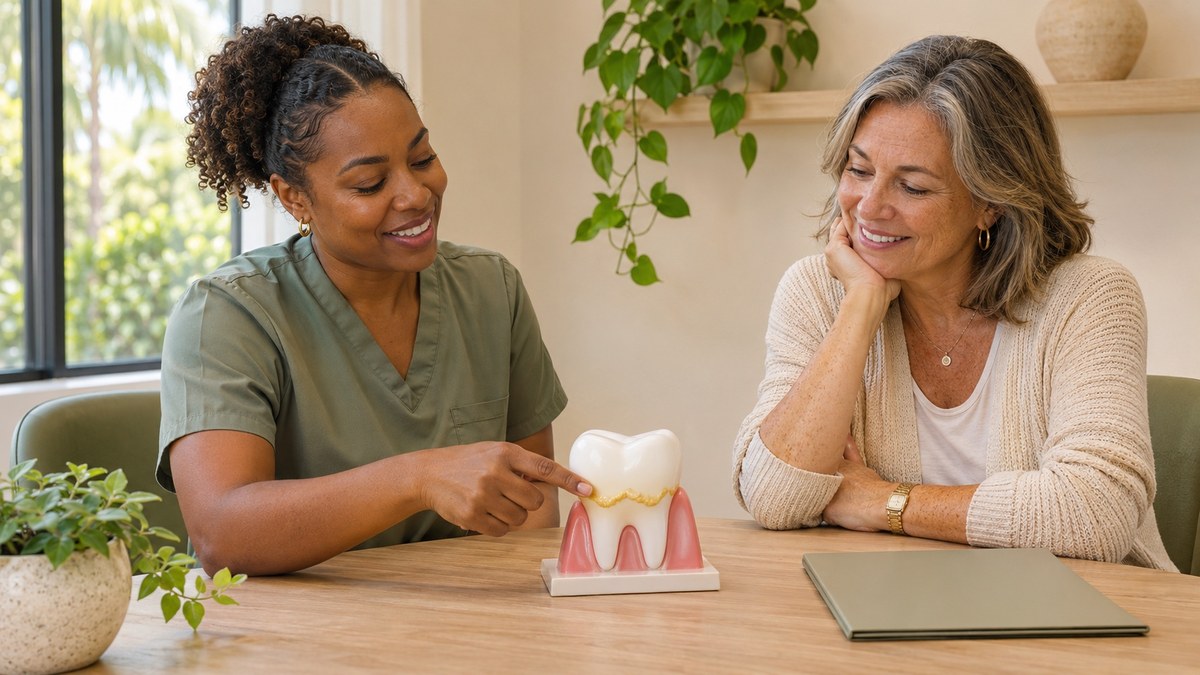


Medications can affect oral health in several ways, and some of the most common prescriptions are among the biggest culprits. Dry mouth is the most common side effect, but medicines can also cause gum overgrowth, bleeding, yeast infections, taste changes, and, rarely, problems with how the jawbone heals. Knowing how medications affect oral health helps you and your dentist head off problems early.
None of this means you should second-guess what your doctor prescribed. Most of these effects are manageable with a few adjustments to your routine. The key is making sure your dental team knows what you take, so they can watch for changes and tailor your care.
Dry Mouth: The Most Common Side Effect
Dry mouth, or xerostomia, is a reduced flow of saliva that leaves your mouth feeling sticky or parched. It’s listed as a side effect for hundreds of medications, including:
- Antihistamines and decongestants for allergies and colds
- Antidepressants and anti-anxiety medications
- Blood pressure medications and diuretics
- Pain relievers, especially opioids
- Muscle relaxants and sleep aids
- Medications for overactive bladder
The effect tends to stack. Someone taking three or four of these may have a much drier mouth than someone taking one.
Saliva does a lot of quiet work. It neutralizes acid after meals, rinses away food, and supplies the calcium and phosphate that rebuild early weak spots in enamel. Without it, cavities can form quickly, often along the gumline and on root surfaces. We go deeper in the link between dry mouth and tooth decay.
Managing Medication-Related Dry Mouth
- Sip water throughout the day, especially with meals.
- Chew sugar-free gum or lozenges with xylitol to stimulate saliva.
- Use a humidifier in your bedroom at night.
- Limit alcohol, caffeine, and tobacco, which dry the mouth further.
- Use a gentle fluoride toothpaste, and ask whether a prescription-strength formula makes sense. Our guide to choosing the right toothpaste covers the options.
- Ask your doctor whether dose timing or an alternative medication could help. Never stop a medication on your own.
Gum Overgrowth
Some medications cause gum tissue to swell and gradually grow over the teeth, a condition called gingival overgrowth. It’s most often linked to:
- Certain anti-seizure medications, such as phenytoin
- Cyclosporine, used after organ transplants and for some autoimmune conditions
- Calcium channel blockers, a common class of blood pressure and heart medications
Overgrown gums are harder to clean, which invites more plaque and inflammation. Meticulous brushing, daily cleaning between the teeth, and more frequent professional cleanings help a great deal. In severe cases, your physician may consider a different medication, and gum tissue can be reshaped if needed.
Bleeding and Blood Thinners
Anticoagulants and antiplatelet medications, including daily aspirin, help prevent dangerous clots. They can also make gums bleed more during brushing, flossing, and dental procedures. That’s not usually a reason to stop them. Most routine dental care can be done safely without changing these medications, and your dentist will coordinate with your physician before any surgery if adjustments are being considered.
Keep in mind that bleeding gums can also signal gum disease, which is tied to wider health concerns we discuss in gum disease and heart disease.
Bone Medications and Jaw Healing
Bisphosphonates and denosumab are widely used to treat osteoporosis and to protect bone in some cancers. They’re linked to a rare but serious complication called medication-related osteonecrosis of the jaw, in which bone fails to heal after an extraction or other surgery. For most people taking these drugs for osteoporosis, the risk is low, but it’s higher with high-dose cancer treatment.
Ideally, see your dentist before starting one of these medications so any needed extractions can be done first. If you already take one, let your dental team know so they can plan carefully. Our post on osteoporosis and your dental health covers this in more detail.
Inhalers and Oral Thrush
Inhaled corticosteroids for asthma and COPD can leave medication on the tongue and throat, which can lead to oral thrush, a yeast infection that causes white patches and soreness. Rinsing with water and spitting after each dose is a simple, effective habit.
Sugar in Liquid Medicines
Children’s syrups, chewable vitamins, cough drops, and some liquid medications contain sugar. Taken often, especially at bedtime, they can contribute to decay. Ask your pharmacist about sugar-free versions, and rinse with water after each dose.
Other Effects Worth Knowing
- Taste changes: some antibiotics and blood pressure drugs can cause a metallic or dulled taste.
- Mouth sores: chemotherapy and some other medications can cause painful inflammation of the mouth’s lining.
- Teeth grinding: certain antidepressants and stimulants can increase clenching, which we cover in can stress damage your teeth.
- Tooth staining: tetracycline antibiotics taken while teeth are still forming in childhood can cause lasting tooth discoloration.
Medications and Overall Health
Your mouth often reflects what’s happening in the rest of your body, and medications are part of that picture. Conditions like diabetes and hormonal shifts during menopause bring their own oral health changes, which we explore in oral health and diabetes and menopause and oral health. The broader story is in the mouth-body connection.
Questions to Ask Your Doctor or Pharmacist
When you start a new medication, a few quick questions can save your teeth a lot of trouble:
- Does this medication commonly cause dry mouth? If so, start protective habits right away rather than waiting for symptoms.
- Is there a sugar-free version? This matters most for liquids, chewables, and lozenges taken several times a day.
- Does it affect bleeding or healing? Your dentist will want to know before any extraction or gum treatment.
- Can the timing be changed? Taking a drying medication in the morning instead of at bedtime, when saliva is already lower, sometimes helps.
- Is there an alternative if a side effect becomes hard to manage?
Pharmacists are a great resource here. They can review your full list for overlapping side effects and point out which medicines are most likely to affect your mouth.
Bring a Complete List to Every Visit
The most helpful thing you can do is keep an up-to-date list of everything you take, including prescriptions, over-the-counter medicines, vitamins, and supplements, with doses. Update your dentist whenever something changes. It takes a minute, and it lets your dental team spot side effects early and plan treatment safely. Our tips on getting the most out of your appointment cover what else to bring.
Ready to Build Care Around Your Whole Health?
Good dental care starts with understanding your full health history. We’re preparing to open our Oakland, FL practice, and we’ll take the time to review your medications and tailor prevention to your needs. Join our VIP list to hear first when we’re welcoming new patients.