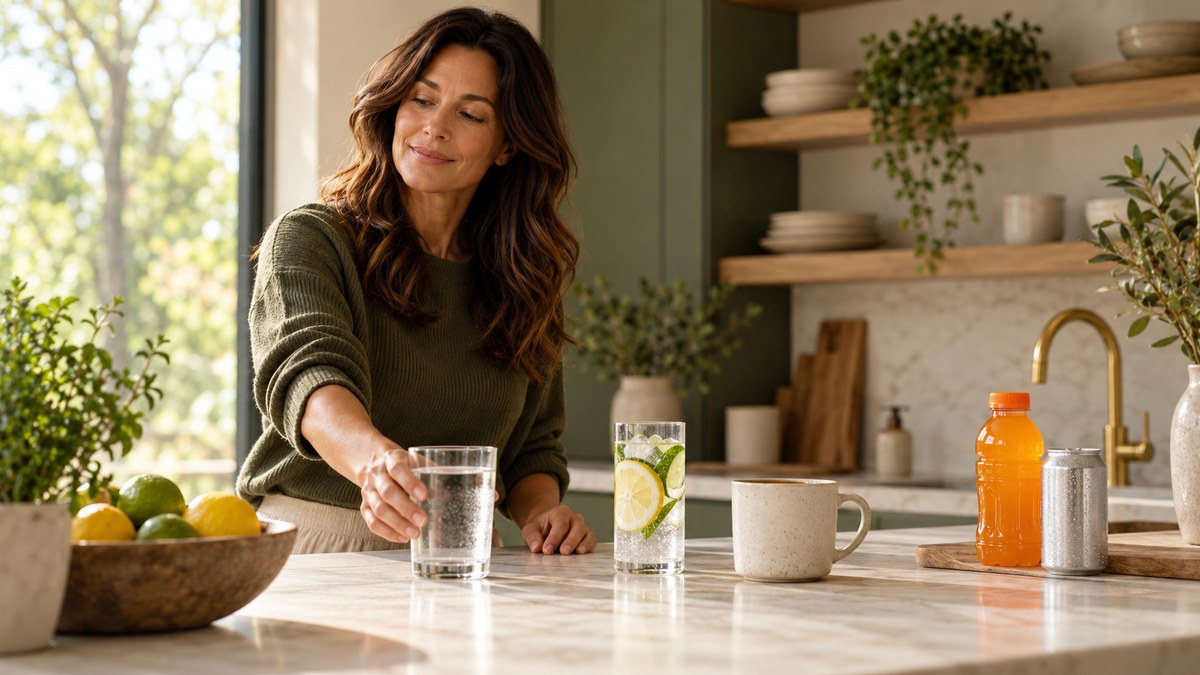
The best and worst drinks for your enamel come down to two things: how acidic a drink is and how much sugar it carries. Plain water and milk are the best everyday choices. Soda, including diet soda, sports drinks, energy drinks, citrus juices, sweetened coffee drinks, kombucha, and wine are among the hardest on teeth. And how you drink matters almost as much as what you drink, because sipping slowly all day keeps your teeth under constant attack.
Enamel is the hard, mineral outer layer of your teeth, and it can’t grow back once it’s lost. At West Orange Dental Studio in Oakland, FL, we’re getting ready to care for families across Winter Garden, Clermont, and the surrounding areas, and drink habits come up in nearly every conversation about sensitivity and cavities. Here’s a practical guide to what’s in your glass.
Enamel Erosion vs Tooth Decay
Drinks harm teeth in two different ways, and many drinks do both.
Enamel erosion is the chemical loss of tooth surface from acid that comes straight from what you drink or eat, or from stomach acid. No bacteria are involved. Over time it thins enamel broadly, leaving teeth smoother, more yellow as the dentin underneath shows through, and often more sensitive.
Tooth decay is damage caused by bacteria in plaque. They feed on sugar and release acid, which dissolves enamel in specific spots and eventually forms a cavity. Our guide to tooth decay stages walks through how that progresses.
So acid alone erodes, and sugar alone feeds decay. A drink that’s both acidic and sugary does double duty against your teeth. Food works the same way, and our post on foods that are secretly destroying your teeth covers the snacks that cause the most trouble.
What Makes the Best and Worst Drinks for Your Enamel Different
Enamel starts to dissolve when the mouth becomes acidic, roughly below a pH of 5.5. Many popular drinks sit well below that line. Saliva is the natural repair system: it buffers acid and returns minerals to the enamel surface. But that recovery takes time, and every new sip restarts the clock.
That’s why frequency matters so much. A soda finished with lunch creates one acid window. The same soda sipped over three hours creates many back to back, and the enamel never gets a chance to recover. Our post on the oral microbiome explains why how often you expose your teeth to sugar matters more than how much.
Anything that reduces saliva makes all of this worse. If you take medications that dry your mouth, our post on the link between dry mouth and tooth decay is worth a read.
The Worst Drinks for Your Enamel
These are the drinks we’d most like you to limit or rethink.
Soda, Including Diet Soda
Regular soda pairs strong acidity with a lot of sugar. Diet soda removes the sugar, which helps with cavities, but it keeps the acids, so it still erodes enamel. Switching to diet is a step in the right direction for decay, not a solution for erosion.
Sports and Energy Drinks
Sports drinks are marketed as healthy, but most are acidic and sugary, and they’re often sipped slowly during a workout or a long outdoor afternoon in the Florida heat. Energy drinks are typically even more acidic. For most everyday exercise, water does the job.
Citrus Juices
Orange, grapefruit, lemonade, and other citrus drinks are high in citric acid, and even 100 percent juice carries natural sugar. Lemon water sipped all day is a common, often overlooked source of erosion in otherwise health-minded people.
Sweetened Coffee Drinks
Coffee shop drinks loaded with syrups, sweetened creamers, and whipped toppings can carry as much sugar as a dessert, and people tend to sip them slowly for an hour or more. That combination is hard on teeth. If you wear clear aligners, our guide to eating and drinking with clear aligners explains why the trays come out for everything but plain water.
Kombucha
Kombucha is fermented, which makes it quite acidic, and many brands add sugar or fruit juice. It may have a healthy reputation, but your enamel treats it much like soda.
Wine
Both red and white wine are acidic. White wine tends to be more acidic, and red wine adds deep pigments that stain. Wine is also often sipped slowly over a long evening, which stretches the acid exposure.
The Best Drinks for Your Enamel
Water
Plain water is the best drink for your teeth. It has no sugar, no acid, and it rinses the mouth while supporting saliva. Tap water may also contain fluoride, though water fluoridation policy has been changing in recent years, including in Florida, so check your utility’s annual water quality report. Our look at what the evidence on fluoride supports explains why fluoride toothpaste remains the main source of protection either way.
Milk
Plain milk is close to neutral and contains calcium and phosphate, the minerals enamel is made of. It does contain natural sugar, so it’s best with meals rather than sipped all day, and it shouldn’t go to bed in a child’s bottle.
Plain Tea and Coffee, With Caveats
Unsweetened tea and black coffee are only mildly acidic and are far kinder to enamel than soda or juice. The tradeoff is staining, since both contain pigments that build up over time. Our post on what causes teeth to yellow explains why long, slow sipping stains more than a quick cup. Once you add sugar and syrups, these drinks move into the worst list.
Unsweetened Sparkling Water
Plain sparkling water is mildly acidic but much gentler than soda. Versions with added citric acid or sugar are less tooth friendly, so read the label.
Simple Habits That Protect Your Enamel
You don’t have to give up every drink you enjoy. A few habits make a real difference:
- Don’t sip all day. Enjoy acidic or sugary drinks in one sitting, ideally with a meal, rather than nursing them for hours.
- Use a straw. Positioned toward the back of the mouth, it helps the drink bypass your front teeth.
- Rinse with water afterward. A quick swish helps wash away acid and sugar.
- Wait before brushing. Acid softens enamel temporarily, so wait about thirty minutes after an acidic drink before you brush.
- Brush with fluoride toothpaste twice a day. Fluoride helps harden enamel against acid.
- Chew sugar-free gum. It stimulates saliva, your mouth’s built-in buffer.
If acid is coming from inside rather than from your glass, the pattern of wear looks different. Our post on how acid reflux damages your teeth covers that side of the story.
Signs Your Enamel May Already Be Wearing
Erosion is gradual, so it’s easy to miss. Watch for teeth that look more yellow, edges on the front teeth that look thin or slightly see-through, smooth shiny patches, small cups worn into the chewing surfaces, or new sensitivity to cold. Our guide on why teeth become sensitive explains how worn enamel exposes the nerve pathways underneath.
Lost enamel doesn’t regrow, but further loss can be slowed with better habits and fluoride. Where worn areas cause sensitivity or look uneven, dental bonding can often cover and protect them.
Ready to Protect Your Enamel?
As we prepare to open our Oakland, FL practice, we’re planning exams that look closely for early erosion and leave time to talk through your daily habits. See how our membership plan covers exams, cleanings, and fluoride for one yearly price, and join our VIP list so we can reach out when our books open.